How to Let Go of Past Relationship Trauma: A Complete Healing Guide
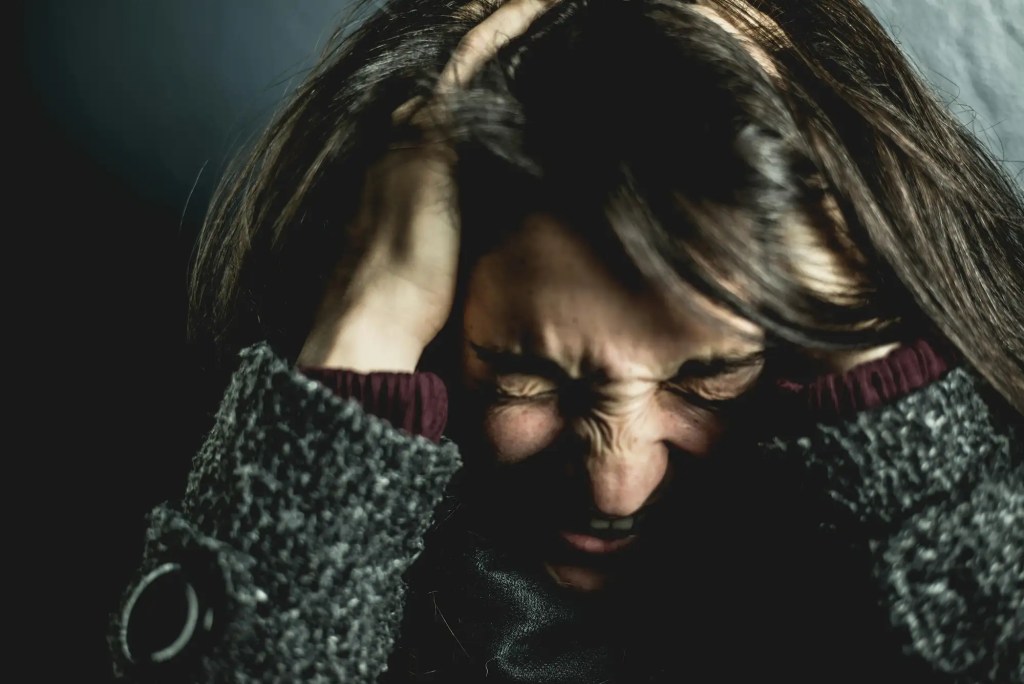
If you’ve ever found yourself stuck in the past, replaying moments from a painful relationship, you’re not alone. Relationship trauma can leave deep marks that affect how you feel, think, and connect with others—even long after the relationship ends. It’s common to carry feelings of hurt, mistrust, or shame that make moving forward feel impossible. Healing begins with recognizing what you’re dealing with and finding ways to gently release those old wounds. Understanding the signs and learning simple, practical steps can help you regain trust in yourself and others. Whether you’re just starting to heal or have been on this path for a while, there’s hope for a healthier, more peaceful future.
Understanding Relationship Trauma: Types and Recognition
Relationship trauma happens when someone you trusted hurts you deeply. It’s different from general trauma because it comes from people who were supposed to keep you safe—like partners, family members, or close friends. There are a few common types you might hear about:
- Betrayal trauma: When someone close breaks your trust in a big way, like cheating or lying.
- Attachment trauma: When early relationships leave you feeling unsafe or unsure about love and connection.
- Complex trauma: When repeated harm happens over time, making it harder to heal.
Sometimes, the signs of relationship trauma aren’t obvious. You might feel anxious without knowing why, have trouble trusting others, or find yourself avoiding close connections. It’s also important to know the difference between trauma and tough experiences. Trauma leaves lasting marks on your emotions and body, while difficult moments might feel painful but don’t stick with you in the same way.
Recognizing these signs is the first step toward understanding what you’ve been through and why letting go can feel so hard.
Why Past Relationship Trauma Is So Hard to Release
Letting go of past relationship trauma isn’t easy because your brain and body hold onto those painful memories in powerful ways. When someone you love hurts you, your brain creates strong emotional bonds called trauma bonds. These bonds make it hard to break free, even when you know the relationship wasn’t healthy.
How Attachment Patterns and Gender Differences Influence Healing from Trauma
Your attachment patterns also play a big part. If you grew up feeling unsure about love or safety, you might find yourself stuck in cycles of mistrust or fear. Shame and self-blame often sneak in, making you feel like the pain is your fault, even though it’s not.
It’s also important to recognize that trauma affects people differently. Research shows, women are about twice as likely as men to develop PTSD after trauma, with roughly 10 to 12 out of every 100 women experiencing it in their lifetime compared to 5 to 6 out of 100 men. This difference partly reflects the types of trauma people face and how their brains respond.
How Survival Instincts Impact Your Healing Journey
On top of that, your survival instincts can get mixed signals. Your body might stay on high alert, ready to protect you from danger, but that constant stress makes it harder to relax and heal. Understanding these reasons can help you be kinder to yourself and see why healing takes time. It’s not about weakness—it’s about how your mind and body have been trying to keep you safe.
The Science-Based Framework for Healing (5-Stage Process)
Healing from relationship trauma happens step by step. It’s helpful to think of it as a process with five key stages. Each stage builds on the one before, giving you a clear path to follow.
Stage 1: Safety and Stabilization
The first step is creating a safe space for yourself. This means both physical safety and emotional safety. Try grounding techniques like deep breathing or focusing on your senses to calm your nervous system. Setting small boundaries with others can also help you feel more in control.
Stage 2: Processing and Integration
Once you feel safer, it’s time to work through your memories. This doesn’t mean rushing to relive painful moments but gently exploring your feelings when you’re ready. Writing in a journal or talking with a trusted friend can help you make sense of what happened and start to heal.
Stage 3: Rebuilding Self-Worth
Trauma often leaves you doubting yourself. This stage is about challenging those negative messages and practicing self-compassion. Remind yourself that the pain wasn’t your fault. Small acts of kindness toward yourself, like positive affirmations or doing things you enjoy, can rebuild your confidence.
Stage 4: Developing Healthy Relationship Patterns
As you heal, it’s important to learn how to build better connections. This means setting clear boundaries, communicating your needs, and recognizing red flags early. Building trust takes time, so be patient with yourself and others.
Stage 5: Post-Traumatic Growth
Healing can lead to growth beyond just feeling better. Many people find new meaning in their experiences and use their journey to help others or create positive change. This stage is about embracing your strength and moving forward with hope.
Taking these steps at your own pace can make healing feel less overwhelming. Remember, there’s no “right” timeline—what matters is that you keep moving forward, one step at a time.
Practical Daily Healing Strategies
Healing from relationship trauma isn’t just about big changes—it happens in the small, everyday moments too. Here are some simple ways to care for yourself each day:
- Practice Mindfulness and Body Awareness: Pay attention to how your body feels. When you notice tension or discomfort, try slow, deep breaths or gentle stretches. This helps calm your nervous system and brings you back to the present.
- Use Journaling to Process Feelings: Writing down your thoughts can make confusing emotions clearer. Try prompts like “What am I feeling right now?” or “What do I need to tell myself today?” Don’t worry about grammar or style—just let your feelings flow.
- Try Somatic Techniques: These are exercises that focus on body sensations to release stored stress. Simple moves like shaking your hands or tapping your feet can help your body let go of tension linked to trauma.
- Build a Support Network: Surround yourself with people who listen without judgment. This might be friends, family, or support groups. Having someone to talk to can make a big difference.
- Practice Self-Compassion: Treat yourself with the same kindness you’d offer a friend. When negative thoughts come up, gently remind yourself that healing takes time and effort.
Take a moment to notice your breath. Breathe in slowly for four counts, hold for four, then breathe out for four. Repeat a few times. This simple practice can help you feel more grounded anytime you’re overwhelmed.
Adding these habits to your daily routine can support steady healing. Remember, small steps add up over time, and being gentle with yourself is key.
Navigating New Relationships After Trauma
Starting to date again after relationship trauma can feel scary and confusing. Knowing when you’re ready is important. If you find yourself feeling calmer, more confident, and able to trust your own feelings, those are good signs you’re ready to take that step.
The Importance of Timing and Boundaries When Sharing Your Past
When you decide to share your past with a new partner, timing matters. You don’t have to tell everything right away. Wait until you feel safe and the relationship feels stable. Setting clear boundaries about what you’re comfortable sharing helps protect your healing.
Recognizing Red Flags to Protect Your Healing Process
Watch out for red flags like controlling behavior, dishonesty, or disrespect. These can trigger old wounds and slow your progress. Take your time getting to know someone and trust your instincts if something feels off.
Building Secure Attachments and Managing Triggers in Relationships
Building secure attachments takes patience. Practice open communication and don’t be afraid to say what you need. It’s okay to ask for space or support when you feel triggered.
Managing Triggers in Intimate Relationships
- Notice what situations or words bring up strong emotions
- Use grounding techniques to stay present
- Share your feelings honestly with your partner when you feel ready
- Seek support from friends, therapists, or support groups if needed
Remember, healing doesn’t mean rushing into new relationships. It means moving forward at your own pace, with care and respect for your needs.
Professional Treatment Options and When to Seek Help
Sometimes, healing from relationship trauma needs extra support beyond self-care. Therapy can offer a safe space to explore your feelings and learn new ways to cope.
Some common trauma-focused therapies include:
- Brainspotting: Helps your brain access and process deep-seated trauma by focusing on specific eye positions, allowing healing without becoming overwhelmed.
- Cognitive Behavioral Therapy (CBT): Focuses on changing negative thought patterns and behaviors that keep you stuck.
- Somatic Therapy: Focuses on body sensations to release trauma stored in your nervous system.
If you notice signs like constant anxiety, flashbacks, or feeling stuck despite your efforts, it might be time to seek professional help. Finding a therapist who understands relationship trauma is key. Look for someone who is trauma-informed and makes you feel safe and heard.
Therapy as a Supportive Partner in Your Healing Journey
Therapy isn’t about “fixing” you—it’s about supporting your healing journey at your own pace. You can expect to talk about your experiences, learn coping skills, and gradually build trust in yourself and others.
Remember, reaching out for help is a strong and brave step. You don’t have to do this alone.
Long-Term Recovery and Preventing Relapse

Healing from relationship trauma is a journey that takes time and patience. Along the way, it’s important to recognize your progress. Celebrate small wins like feeling calmer in triggering situations or setting healthy boundaries.
Handling Setbacks and Finding Hope in Recovery
Even after healing, tough days will come. To keep moving forward, develop ways to handle setbacks without losing ground. This might mean leaning on your support network, practicing grounding exercises, or reminding yourself of how far you’ve come.
It helps to remember that most young people who face traumatic events—about 85%—recover without developing long-term conditions like PTSD. This shows that healing is possible, even when things feel overwhelming.
Building Resilience: Tools to Help You Bounce Back
Building resilience means strengthening your ability to bounce back from challenges. Try keeping a list of things that help you feel safe and calm—like favorite activities, supportive people, or calming techniques.
Creating a Personal Crisis Plan for Emotional Support
Creating a personal crisis plan can also help. This is a simple step-by-step guide you can follow when emotions become overwhelming. It might include who to call, what calming tools to use, and ways to take care of yourself in the moment.
Embracing the Ups and Downs: Staying Committed to Your Healing
Remember, recovery isn’t a straight line. It’s normal to have ups and downs. What matters most is that you keep showing up for yourself and stay committed to your healing path.
Resources and Next Steps
If you’re feeling overwhelmed, don’t hesitate to reach out for immediate help. Crisis hotlines are available 24/7 to listen and support you. Books and apps focused on healing from trauma can offer guidance and comfort between therapy sessions. Local support groups provide a chance to connect with others who understand what you’re going through. Taking small, consistent steps—like reaching out or trying a new coping tool—can make a big difference. Remember, healing is possible, and you don’t have to do it alone.
If you want someone to walk alongside you through this process, Inward Healing Therapy offers a caring space where you can explore your healing at your own pace. Whenever you’re ready, we are here to help.
FAQs About Relationship Trauma
1. What is relationship trauma?
Relationship trauma happens when someone you trusted causes emotional or physical harm. It can leave lasting effects on how you feel and connect with others.
2. How do I know if I’m ready to start healing?
You might feel a growing desire to feel better and a willingness to face difficult emotions. Healing is personal, so trust your own pace and feelings.
3. Can I heal from relationship trauma on my own?
Many people start healing with self-care and support from friends. But sometimes professional help makes the process safer and more effective.
4. What if I’m scared to trust again?
Feeling scared is normal. Building trust takes time, and it’s okay to set boundaries and take things slow in new relationships.
5. When should I seek therapy for relationship trauma?
If your trauma causes constant anxiety, flashbacks, or affects daily life, therapy can offer tools and support. It’s a strong step toward healing, not a sign of weakness.
Explore more insights