
How to Set Boundaries (Especially if You’re a People Pleaser)

How to Set Boundaries (Especially if You’re a People Pleaser)

Do you ever find yourself saying yes when you really want to say no? If so, you’re not alone. Many people who identify as people-pleasers struggle to set boundaries because, for much of their life, their needs weren’t prioritized, or even allowed. 

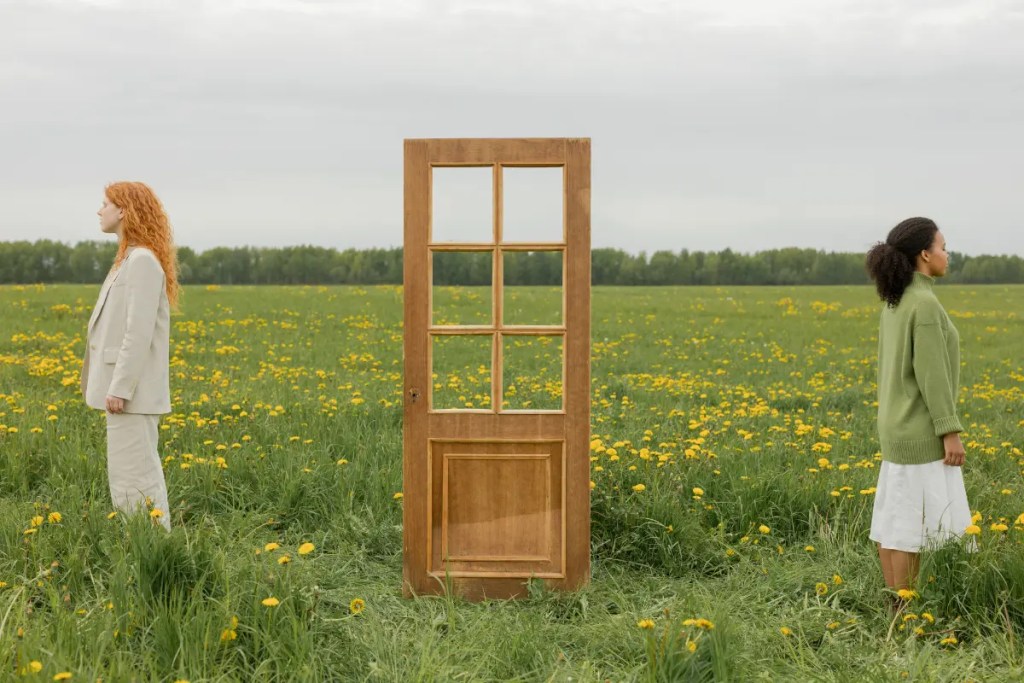
Boundaries aren’t selfish. They are the foundation of healthy relationships, self-respect, and emotional well-being.

In this blog, we’ll explore what boundaries are, why they matter, how to recognize your own, and practical ways to communicate them, without guilt.

What Are Boundaries and Why Do They Matter?

Boundaries are the invisible lines that protect your time, energy, and emotional health. Think of them as the “rules of engagement” for your relationships. Healthy boundaries help you:

  • Feel safe in relationships.
  • Prevent resentment from constantly over-giving.
  • Create balance between caring for others and caring for yourself.
  • Build deeper trust because others know what to expect from you.

Without boundaries, people-pleasers often find themselves stretched thin, feeling resentful, and losing touch with their authentic needs.

Step 1: Discover Your Boundaries

If you grew up in an environment where your feelings weren’t validated, knowing your boundaries might feel foreign. Start by tuning into your emotions:

  • Notice when resentment arises. Did you say yes when you wanted to say no?
  • Use tools like the emotions wheel or journaling. Write about times you felt drained or annoyed after an interaction.
  • Pay attention to patterns. Are certain people, places, or situations consistently triggering frustration?

Example: Let’s say Sundays are your reset days, you like to grocery shop, clean, and prepare for the week. But your friend always invites you to brunch, and you say yes because you don’t want to disappoint her. Later, you feel resentful and unprepared for the week. This frustration is your body’s way of telling you: I need to protect this time.

👉 If this resonates, you may also like: Understanding and Overcoming Rigid Boundaries

Step 2: Communicate Your Boundaries

This is often the hardest part, especially for people-pleasers. Saying “no” can feel like you’re letting someone down. But here’s the reframe: communicating boundaries is an act of honesty and love.

Ask yourself: What feels scarier, saying no once, or continuing to live in resentment and burnout?

When communicating boundaries:

  • Be clear and assertive, not passive or apologetic.
  • Remember the difference: Assertive ≠ Aggressive. You can be firm and kind at the same time.
  • Stand tall in your truth. Others can’t honor your needs if you don’t voice them.

Pro tip: Stay away from softeners like “If it’s okay with you…” or “Sorry, but…” These minimize your needs.

Step 3: Use Simple, Respectful Phrases

Here are examples of how to express boundaries in everyday life:

Time Boundaries

  • “Sundays are my reset days, so I won’t make brunch, but I’d love to do dinner this week.”
  • “I’m not available then, but thanks for thinking of me.”

Conversation Boundaries

  • “I’d prefer to talk about something lighter right now.”
  • “I’m not looking for advice — just support.”

Physical Boundaries

  • “Please don’t touch me.”
  • “I’m not comfortable with hugs.”

Sexual Boundaries

  • “It makes me uncomfortable when you joke like that. Please stop.”
  • “I’m not interested in a sexual relationship. Please respect that.”

Step 4: Reinforce When Needed

Setting a boundary is step one. Reinforcing it is step two. If someone forgets or tests your boundary, gently remind them.

Example: “I just want to remind you that I don’t feel comfortable being touched. Please respect that.”

If someone repeatedly crosses your boundaries, consequences are necessary. That may mean distancing yourself, spending less time with them, or even ending the relationship. While this can feel harsh, protecting your peace and safety is essential.

Step 5: Expect Pushback (and Know It’s a Sign You’re Growing)

Not everyone will celebrate your new boundaries — especially if they benefitted from your lack of them. If someone makes you feel guilty for setting boundaries, take that as confirmation that the boundary was needed. Healthy people will respect your limits.

The Bottom Line

Boundaries are not walls. They are bridges to healthier, more respectful relationships. When you set boundaries, you teach others how to love and respect you, and you also teach your nervous system that it’s safe to prioritize yourself.

You deserve relationships where your needs are valued, your voice is heard, and your well-being matters.

👉 Ready to practice setting boundaries? Start small this week: pick one area of your life where resentment often shows up, and create a boundary around it. Notice how it feels.

If setting boundaries feels difficult, you don’t have to work through it on your own. I offer a free 20-minute consultation where we can talk about what you’re going through and see if therapy feels like the right support for you.

✨ And if you want deeper support, check out our other blog on Relationship Boundaries List Examples: Clear Tips to Set Healthy Limits for more tips.

Explore more insights

How to Reparent Yourself if You Have an Anxious or Avoidant Attachment

Healing attachment wounds isn’t about “fixing” yourself, but it’s about offering yourself the love, protection, and guidance you may not have received as a child. If you struggle with anxious or...

How to Regulate Your Nervous System After Experiencing Trauma

Trauma doesn’t just live in the past; it often stays alive in the body. Long after the event is over, your nervous system can remain in survival mode, scanning for danger and reacting to reminders of...

How to Set Boundaries (Especially if You’re a People Pleaser)

Do you ever find yourself saying yes when you really want to say no? If so, you’re not alone. Many people who identify as people-pleasers struggle to set boundaries because, for much of their life...

What Is Childhood Trauma and How to Know If You Have It

Have you ever wondered why certain situations trigger such big reactions in you, like feeling rejected when someone cancels plans, or constantly worrying if you’re good enough? Sometimes, the roots of...