Separation Anxiety in Relationships: Understanding It and Finding Peace Together
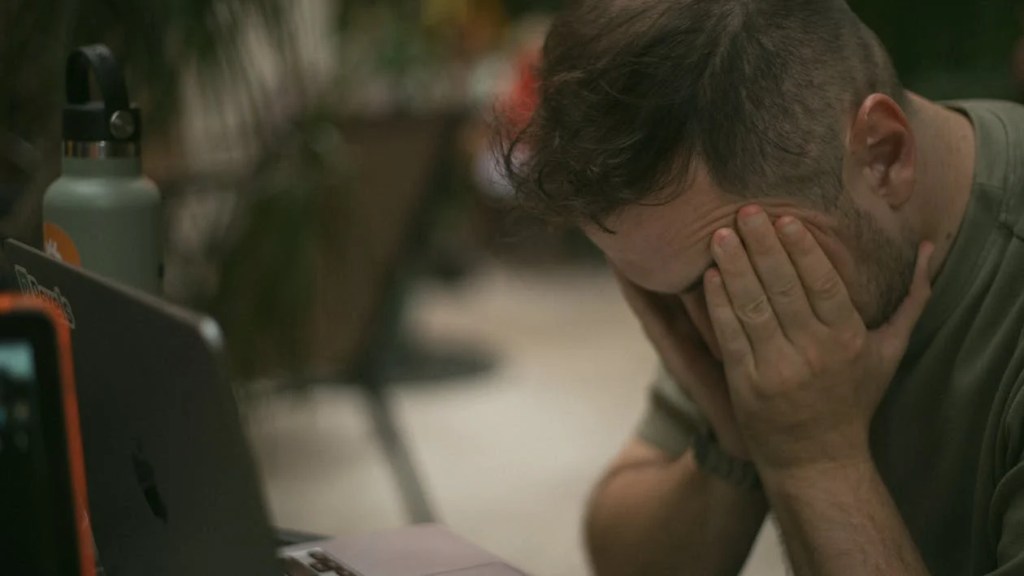
Separation anxiety in relationships can feel overwhelming. Whether it’s the fear of being apart from your partner or the constant worry about what might happen when you’re not together, these feelings can take a toll on your happiness and connection. You might be surprised to learn that separation anxiety disorder affects about 1 to 2 percent of adults in the U.S., meaning roughly 1 in every 50 adults lives with this condition. If you’ve found yourself struggling with these worries, you’re not alone—and there are ways to manage and ease this anxiety.
Understanding what separation anxiety looks like, spotting the signs early, and learning simple, practical steps can help you feel more secure and calm. Building a stronger, healthier connection is possible, even when anxiety tries to get in the way.
Understanding Separation Anxiety in Relationships
Separation anxiety in relationships is more than just missing your partner when you’re apart. It’s a strong, often overwhelming fear or worry about being separated, even for short periods. While it’s normal to feel a little uneasy when apart, separation anxiety causes intense feelings that can affect your mood, thoughts, and daily life. You might find yourself constantly checking your phone for messages, feeling restless, or imagining worst-case scenarios. These feelings can make it hard to focus on work, enjoy time with friends, or even sleep well.
This kind of anxiety isn’t rare. Studies show that many people experience some level of separation anxiety in their romantic relationships, especially if they have a history of feeling insecure or anxious in close bonds. It’s important to know that these feelings don’t mean your relationship is doomed—they’re signals your mind and body send when they feel unsure or unsafe.
Distinguishing from Other Relationship Issues
Separation anxiety might seem similar to other relationship problems, but it’s different from things like codependency or general anxiety. Codependency usually involves relying heavily on your partner for self-worth or decision-making, while general anxiety can come from many areas of life, not just relationships. Separation anxiety specifically focuses on the fear of being apart or losing the connection.
Attachment styles also play a role here. People with an anxious attachment style tend to worry more about their partner’s availability and love. This can lead to behaviors like needing constant reassurance or feeling jealous easily. But unlike attachment issues that develop over time, separation anxiety often causes intense emotional reactions whenever separation happens.
If you’re unsure whether what you’re feeling is separation anxiety or something else, try asking yourself:
- Do I feel extreme worry or panic when my partner is away?
- Do these feelings happen mostly around times we’re apart?
- Do I struggle to calm down even when I know my partner is safe?
If you answered yes, you might be dealing with separation anxiety in your relationship.
Root Causes and Contributing Factors
Psychological and Developmental Origins
Separation anxiety often starts long before your current relationship. Many people carry patterns from childhood that shape how they feel about being apart from loved ones. For example, if you grew up with inconsistent care or experienced loss early on, your brain might have learned to expect that people you love could leave or disappear. This can create an anxious attachment style, where you feel unsure if your partner will always be there for you.
How Early Experiences Shape Your Response to Separation
These early experiences don’t mean your relationship is doomed, but they do influence how you react to separation now. You might find yourself feeling extra sensitive or worried when your partner isn’t around because your brain is trying to protect you from feeling abandoned again. Understanding this connection can help you be kinder to yourself and see your anxiety as a natural response—not a personal flaw.
Situational and Environmental Triggers
Besides early experiences, certain life events can make separation anxiety worse or bring it up suddenly. Big changes like moving to a new city, starting a new job, or going through a breakup can shake your sense of security. Even smaller things, like a partner traveling for work or a change in your daily routine, can trigger anxious feelings.
Losses, such as the death of a family member or close friend, can also increase separation worries. When you’ve faced loss, it’s natural to fear losing someone important again, which can make time apart feel extra scary.
Stress from outside your relationship—like work pressure or financial worries—can add fuel to the fire. When life feels overwhelming, your brain might focus more on relationship fears as a way to cope.
Knowing what triggers your anxiety can help you prepare and respond better. For example, if your partner’s business trips cause stress, planning regular check-ins or small rituals before they leave can ease your mind.
Recognizing the Signs and Symptoms
Emotional and Behavioral Indicators
Separation anxiety shows up in many ways, and it’s important to recognize the signs so you can address them. Emotionally, you might feel intense worry, sadness, or fear when your partner is away. These feelings can come on quickly and feel hard to control. You might also experience mood swings, irritability, or a sense of panic.
Separation Anxiety Often Coexists with Other Anxiety Disorders
It’s also common for separation anxiety to occur alongside other anxiety issues. For example, research shows that about 65% of children with separation anxiety disorder also have another psychiatric disorder, and nearly half (49%) have comorbidity specifically with oppositional defiant disorder. Additionally, more than a quarter (27.5%) of children with anxiety disorders may face two or more additional mental health conditions. This overlap can make the feelings even more intense and complicated.
Recognizing Behavioral Patterns and Physical Symptoms of Anxiety
On the behavioral side, common signs include constantly checking your phone for messages, needing frequent reassurance, or avoiding situations where you’ll be apart. You might find yourself overthinking what your partner is doing or imagining worst-case scenarios. Physical symptoms like a racing heart, stomach aches, or trouble sleeping can also happen when anxiety spikes.
Impact on Relationship Dynamics
Separation anxiety doesn’t just affect you—it changes how you and your partner interact. When anxiety leads to clinginess or constant checking in, your partner might feel overwhelmed or pressured. This can cause tension or misunderstandings, even if they want to help.
At the same time, your partner’s reactions can affect your anxiety. If they pull away or don’t respond as expected, it might make your fears worse, creating a cycle of stress. Open communication is key here. Understanding each other’s feelings and needs helps break this cycle and builds trust.
Remember, separation anxiety is a shared challenge. Both partners can work together to create a relationship that feels safe, even when apart.
Comprehensive Coping Strategies
Immediate Management Techniques
When separation anxiety hits hard, having quick ways to calm yourself can make a big difference. Here are some simple steps to try when you start feeling overwhelmed:
- Deep Breathing: Take slow, deep breaths. Breathe in for 4 seconds, hold for 4, then breathe out for 4. Repeat until you feel calmer.
- Grounding Exercises: Focus on your surroundings using the 5-4-3-2-1 method: name 5 things you see, 4 you can touch, 3 you hear, 2 you smell, and 1 you taste. This helps bring your mind back to the present.
- Write it down: Jot down your worries. Sometimes putting your thoughts on paper helps you see them more clearly and reduces their power.
- Set a Check-in Plan: Agree with your partner on specific times to connect during separations. Knowing when you’ll talk next can ease uncertainty.
- Use Positive Self-Talk: Remind yourself that feeling anxious is normal and that you can handle this moment. Say things like, “I am safe,” or “This feeling will pass.”
These steps won’t erase anxiety instantly, but they can help you manage it in the moment and prevent it from spiraling.
Long-term Relationship Building Approaches
Building a stronger, more secure relationship over time helps reduce separation anxiety. Try these ideas:
- Trust-Building Exercises: Share your feelings openly and listen without judgment. Regularly check in about how you both feel in the relationship.
- Improve Communication: Practice clear, honest conversations. Avoid blaming or assumptions. Use “I” statements like, “I feel worried when…”
- Gradual Exposure: Slowly increase time apart in small steps. Start with short separations and build up, so your brain learns that being apart is okay.
- Partner Involvement: Work together on coping strategies. When your partner understands your anxiety, they can support you better without feeling pressured.
These approaches take time but create a solid foundation of security and trust that helps ease anxiety naturally.
Self-Care and Personal Development
Taking care of yourself outside the relationship is just as important. Here’s how to build your own strength:
- Manage Stress: Exercise, meditate, or try hobbies that relax you. Reducing overall stress lowers anxiety.
- Set Boundaries: Know your limits and communicate them kindly. It’s okay to ask for space or support when needed.
- Build Independence: Spend time with friends, focus on your interests, and enjoy activities on your own. This helps you feel confident and less dependent on your partner.
- Create Healthy Routines: Regular sleep, balanced meals, and time for rest support emotional balance.
By focusing on your well-being, you’ll feel more grounded and better able to handle separation anxiety when it comes up.
Professional Help and Treatment Options
When to Seek Professional Support
Sometimes, separation anxiety can feel too big to handle alone. If your worries start to affect your daily life—like making it hard to work, sleep, or enjoy time with others—it might be time to get help. Research shows that about one-third of childhood separation anxiety cases continue into adulthood if left untreated, but most children do outgrow the condition with the right support and treatment.
Also, if your anxiety causes frequent fights or distance in your relationship, professional support can guide you both toward healthier patterns. Don’t wait until things feel overwhelming. Reaching out early can make a big difference. Remember, asking for help is a sign of strength, not weakness.
Available Treatment Modalities
There are several treatment options that work well for separation anxiety in relationships. Cognitive-behavioral therapy (CBT) helps you understand and change anxious thoughts and behaviors. Couples counseling can improve communication and build trust between partners. Sometimes, medication may be recommended to ease anxiety symptoms, but this is usually combined with therapy. Finding the right therapist is key—look for someone experienced in anxiety and relationship issues. Many offer virtual sessions, making it easier to get support from home. Professional help gives you tools and guidance to manage anxiety and strengthen your relationship for the long run.
Prevention and Relationship Strengthening

Building Secure Attachment Patterns
Creating a sense of safety in your relationship helps keep separation anxiety in check. Simple daily habits can make a big difference. Try sharing your feelings regularly, even the small ones, so your partner knows what’s going on inside your head. Practice active listening when your partner shares, showing you care and understand. Trust grows when both of you feel heard and valued. Also, remind yourself that your partner’s love isn’t tied to being physically close all the time. Building this secure connection helps your brain feel calmer, even when you’re apart.
Creating Supportive Relationship Structures
Setting up routines and clear communication can reduce anxiety triggers. Agree on how often you’ll check in during times apart, so you both know what to expect. Having a plan removes guesswork and eases worry. Encourage each other to spend time with friends and pursue hobbies outside the relationship—this balance supports healthy independence. Also, create “safe zones” where you can openly talk about your fears without judgment. These small changes build a supportive environment where both partners feel free and secure, making separation less stressful and the relationship stronger.
Conclusion
Separation anxiety in relationships can be tough, but it doesn’t have to control your life or love. Recognizing the signs, understanding the causes, and using practical coping strategies can help you feel more secure and calm. Remember, building trust and open communication takes time, so be patient with yourself and your partner. If anxiety feels overwhelming, don’t hesitate to reach out for professional support—it can make a real difference. Start small by trying one or two tips from this guide and see what works best for you. With effort and care, you can create a relationship where both of you feel safe and connected, even when apart.
If separation anxiety feels like more than you can handle alone, you don’t have to face it by yourself. At Inward Healing Therapy, we offer a safe, supportive space where you can explore your feelings and learn tools to feel calmer and more secure in your relationship. Whether you want to talk one-on-one or bring your partner along, we’re here to help.
Frequently Asked Questions (FAQs)
1. What is separation anxiety in relationships?
Separation anxiety is a strong fear or worry about being apart from your partner. It goes beyond normal missing feelings and can cause intense emotional and physical symptoms.
2. How can I tell if my anxiety is separation anxiety or just normal worry?
If your anxiety feels overwhelming, lasts a long time, or interferes with your daily life, it might be separation anxiety. Normal worry usually fades quickly and doesn’t disrupt your routine.
3. Can separation anxiety harm my relationship?
Yes, if left unaddressed, it can cause misunderstandings and tension. But with open communication and coping strategies, couples can work through it together.
4. What are some quick ways to calm separation anxiety?
Try deep breathing, grounding exercises, or setting regular check-in times with your partner. These simple steps help reduce anxiety in the moment.
5. When should I consider seeing a therapist for separation anxiety?
If anxiety affects your daily life or causes frequent conflicts, professional help can provide tools and support. Therapy is especially helpful when self-help strategies aren’t enough.
Explore more insights