
Want to Make Genuine Friendships? How to Start. Part 1

Want to Make Genuine Friendships How to Start

This is a common theme that comes up with my clients, and it’s also a widely searched topic. There are so many reasons why it can feel harder to make friends as an adult. It gets even more challenging if you’ve experienced unstable or unreliable relationships growing up.

If you’ve always struggled socially and have ruled out neurodivergence (like being on the autism spectrum), chances are you were never really taught or shown how to build meaningful connections. Skills like emotional vulnerability, how to read body language, and creating a sense of closeness might not have been modeled for you.

But here’s the good news: these are all skills you can learn. This blog will walk you through how to start creating and maintaining more fulfilling friendships.

First, Let’s Talk About the Challenges

You might have thoughts that quietly sabotage your relationships without you even realizing it, such as:

  • Do they actually like me?
  • Do they think I’m fun?
  • They probably think I’m annoying, dumb, or an inconvenience.
  • Are they only texting me back or hanging out with me because they feel obligated?

If you’ve had overly critical parents or inconsistent emotional support, these kinds of thoughts might feel familiar.

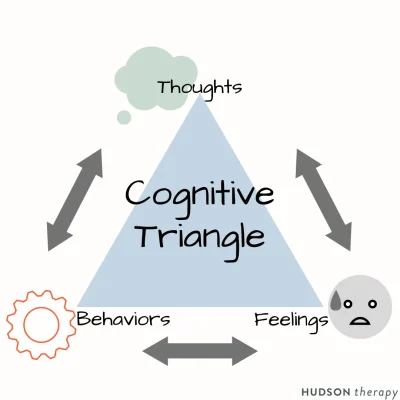
And if you’re already one of my clients, you’ve probably heard my breakdown of CBT (Cognitive Behavioral Therapy). While therapists have mixed reviews on it, one thing’s for sure: it can be really helpful for challenging your inner critic.

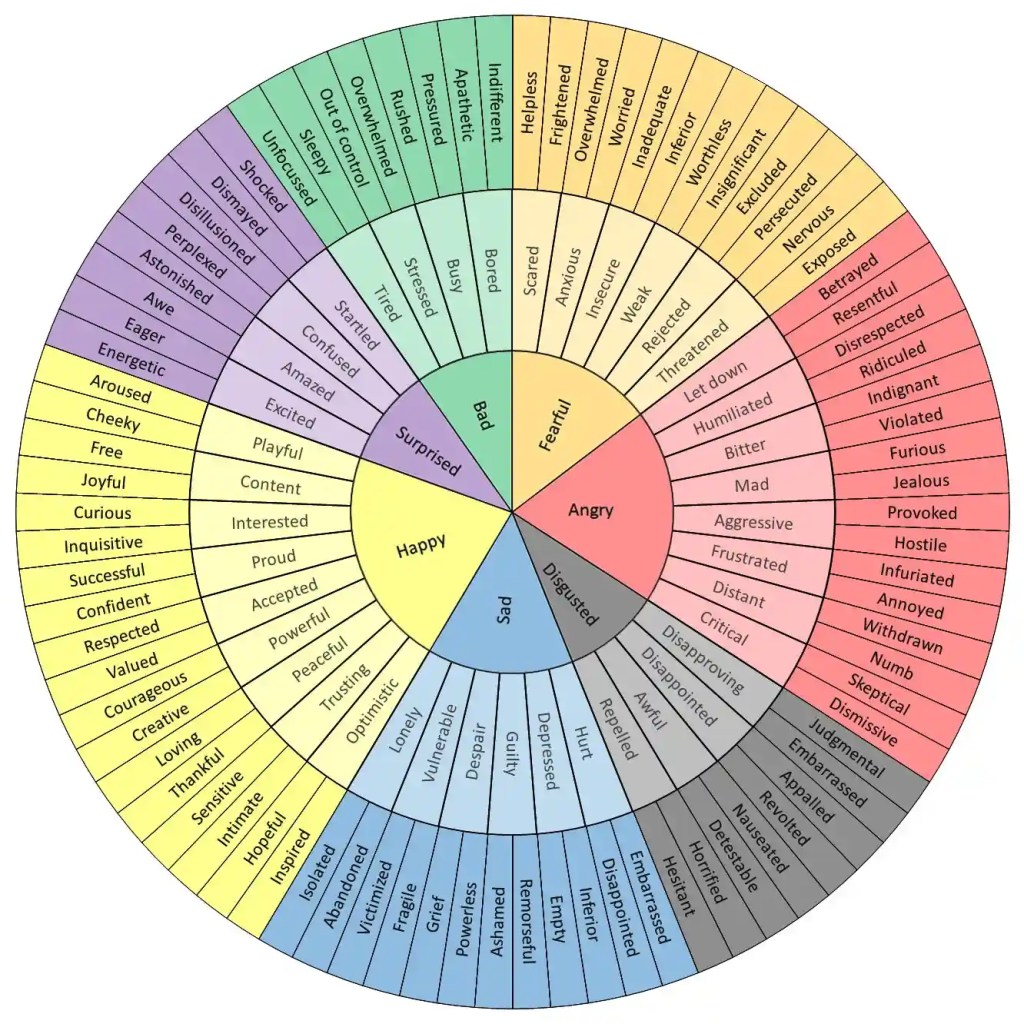
So, when those thoughts come up… what feelings do they stir in you? Sadness? Anxiety? Hopelessness? 

Use the feelings wheel below and start from the middle and work your way out to get more specific on what feelings come up. (Yayyyy for emotional maturity) 

feelings-wheel

Now think — how do those thoughts make you behave?

You might shut down and withdraw. Maybe you don’t text back right away out of fear of seeming “too much.” These patterns often stem from attachment wounds — anxious, avoidant, or disorganized styles. (If you’re unfamiliar with these, I highly recommend looking into them.)

For example, someone with anxious attachment might get triggered by a delayed response and start seeking reassurance:

  • Hey, did you get my text?
  • Did I say something wrong?
  • Are you mad at me?


…followed quickly by shame for having asked. Sound familiar?

If you lean more avoidant, your response might be to pull back, taking days (or weeks) to respond out of fear of getting hurt or being vulnerable.

And let’s be honest — how are we supposed to build genuine, connected friendships this way?

Cognitive+Triangle

This is the power of self-awareness: your thoughts might be creating stories and behaviors that aren’t even based in reality. Meanwhile, your new friend may have genuinely enjoyed your time together and is looking forward to seeing you again!

Let’s Reflect for a Moment

Ask yourself:

  • In an ideal world, what would your friendships look like?
  • What kind of things would you love to do together?
  • How would you like to fix issues when it (inevitably) comes up?
  • How much space do you each need?
  • How would you like to support and uplift one another?


Do you want them to hold you accountable to your goals?

A Personal Note

Here’s some self-disclosure: over the years, my friendships have been tested, reshaped, and in some cases, put on pause — and that’s okay. We grow. We evolve. And sometimes, people simply grow in different directions.

Here’s something to remember: you attract what aligns with your inner state.

If you’re someone committed to healing, growth, and becoming your best self, you’ll naturally start to draw in people who are on that same journey. It’s not about being perfect — it’s about being intentional.

But if your life is full of weekend benders, minimal effort, and habits that don’t align with your higher self… well, chances are you’re going to attract the same.

You have to become the friend you wish to have. Read that again. (Same goes for partners.)

If you’re realizing right now that you’re not yet the kind of friend you want to attract, that’s not shameful. It’s actually a powerful place to begin. Acknowledgment is the first step. Confidence and connection are built — and they can be rebuilt, too.

Okay, Let’s Be Real

If you’ve read this far and you’re thinking:

  • “I struggle with an insecure attachment.”


  • “I have negative thoughts that impact my friendships.”


  • “I’m not the friend I wish I had…”


Then your priority isn’t to go join five new social clubs and hope for the best. It’s to heal the deeper stuff — your thoughts, your self-beliefs, your attachment wounds. That’s the only way to build friendships that last.

Because here’s what happens if you don’t: you will find new people. But if you’re still operating from your wounds, your subconscious behaviors might keep pushing them away. You’ll find yourself in the same old loop:

“I feel like they don’t like me…”
pushes them away through unconscious behavior
“See? I knew I was right. People always leave.”

One More Story:

I’m no longer friends with a long-term friend, and it sucks, but I’ve gained more confidence. 

I reconnected with an old college friend recently, and we had so much fun together. But I noticed I was starting to regress — drinking more alcohol, slipping on my boundaries, and just not feeling like my best self.

Eventually, I realized: I had changed. I was prioritizing healing, growth, and alignment. This friend wasn’t in the same place, and that’s okay — we’re all on different paths. But it started to show up in the friendship. Resentment built, and we mutually agreed to take some space.

It was tough, but what I learned is that you truly are who you spend time with. Sometimes you have to let go of what is weighing you down so you can spring forward and accomplish more than you ever thought possible. 

I am now feeling more aligned, focusing on my goals, and overall more confident because I have clarity. 

Everything in your life starts with you. The people around you are often a mirror. And when the mirror doesn’t reflect your values anymore, it’s okay to let go.

Final Thoughts

My hope for you is that you feel aligned in your life, confident, grounded, and surrounded by friendships that nourish you. And I truly believe that if you commit to your own growth, those kinds of connections will come.

So, how can you start taking accountability for your social life today?

Take some time to reflect — and then come back for part two. 💛

Contact Us Today

If you want continued support with becoming your best self and attracting aligned friendships, reach out to Inward Healing Therapy and book a free 20-minute consultation. We’re here to answer your questions and help you get started on the right path.

We look forward to connecting with you!

Explore more insights

How to Reparent Yourself if You Have an Anxious or Avoidant Attachment

Healing attachment wounds isn’t about “fixing” yourself, but it’s about offering yourself the love, protection, and guidance you may not have received as a child. If you struggle with anxious or...

How to Regulate Your Nervous System After Experiencing Trauma

Trauma doesn’t just live in the past; it often stays alive in the body. Long after the event is over, your nervous system can remain in survival mode, scanning for danger and reacting to reminders of...

How to Set Boundaries (Especially if You’re a People Pleaser)

Do you ever find yourself saying yes when you really want to say no? If so, you’re not alone. Many people who identify as people-pleasers struggle to set boundaries because, for much of their life...

What Is Childhood Trauma and How to Know If You Have It

Have you ever wondered why certain situations trigger such big reactions in you, like feeling rejected when someone cancels plans, or constantly worrying if you’re good enough? Sometimes, the roots of...